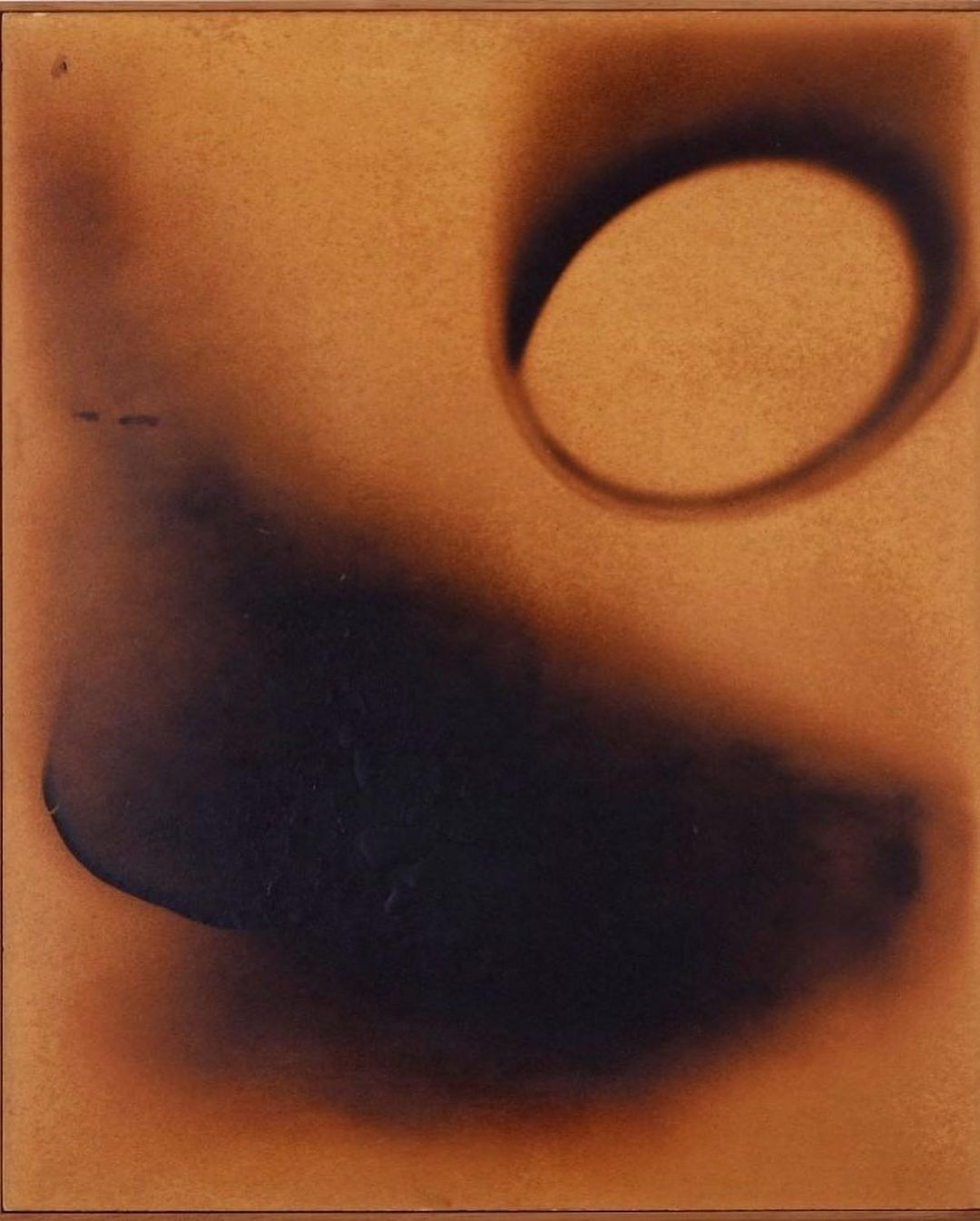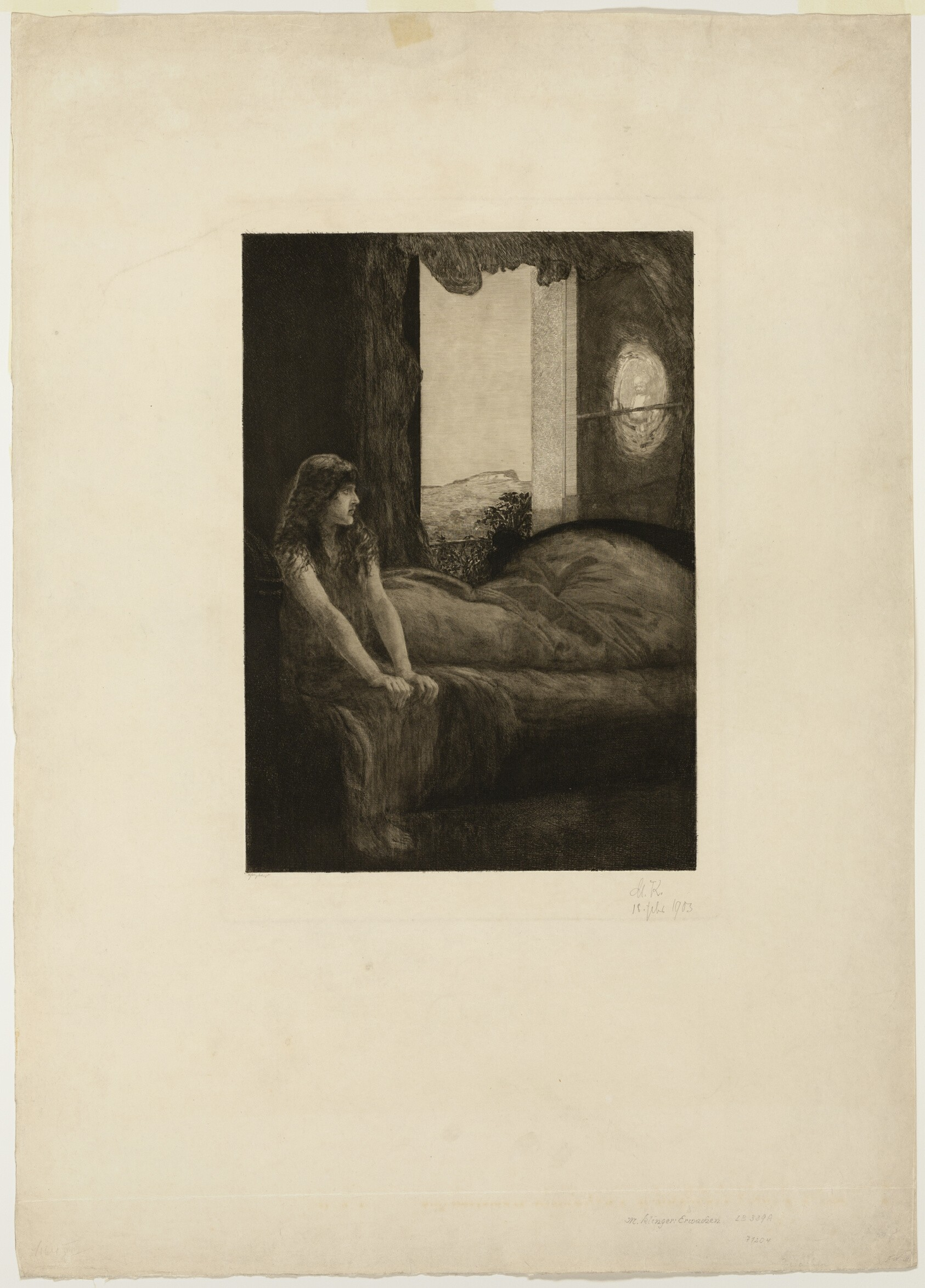



My bedroom crouches beneath the roof like a ribcage. The useless, thin, full‑length mirror is glued to the front of my shoe cabinet, rehearsing my gestures long before I learned to stand still. Some mornings it stretches me thin, other days it adds extra flesh onto my waist, never quite agreeing on who I am. Every time I try to put together an outfit, it stares, catching me half‑bent, eyes open, spine warped. I meet that warped reflection for too long, change into my pajamas, then pretend the moment never happened. A wider dresser mirror offers its own stranger each night, lips uneven, pupils too wide, skin pale, stomach too big. Neither mirror is honest, but both memorize the way my neck tenses whenever I pause to check if the image has settled.
Several porcelain dolls stand guard on my bookshelves. Each carries its own memory of a life before mine. The first one came home with me and my father the summer I turned 20, and the year he died. We found her in a vintage shop that smelled of mold. Now, when the room goes still, I can almost feel him brushing dust from her blond curls. The newer dolls learned her silence and her patience. At night, they keep score of my coffee that grew mold and my tossing and turning in bed.
I used to blame the screens for the hum in my skull, the laptop’s dark glass and the phone I stared at blankly while doom‑scrolling. Every screen in the room felt like a stranger’s open eye, so I carried them out. First the monitor, then the laptop, then the phone. The quiet that followed felt like an accusation though. Without the distraction the screens brought, the room exhumed an old reality: fifteen and house‑bound, curtains drawn against summer glare, walls coming closer each evening. The mirrors warped then, too, making my skin look yellowed and waxy like a candle. I’d stand there, judging a body, a face, a presence I hardly felt connected to. Some days I swore the bedroom wanted me gone, the ceiling pressing down in slow pulses.
Now, 10 years later, the same tension settles whenever I spend too many daylight hours in my room. Walls warp and the air thins. It feels personal, as though my own room has grown tired of me. I have tried making peace with the static, it didn’t work.
Rooms develop memories once they know your footsteps. I feel like my room remembers a winter of insomnia and still shivers under July heat. I rearrange furniture, open windows, coax sage smoke into the corners, yet the room keeps its stand. The same chill creeps in whenever I stay indoors too long. I’ll be writing, half‑listening to a YouTube video, and then something drops.
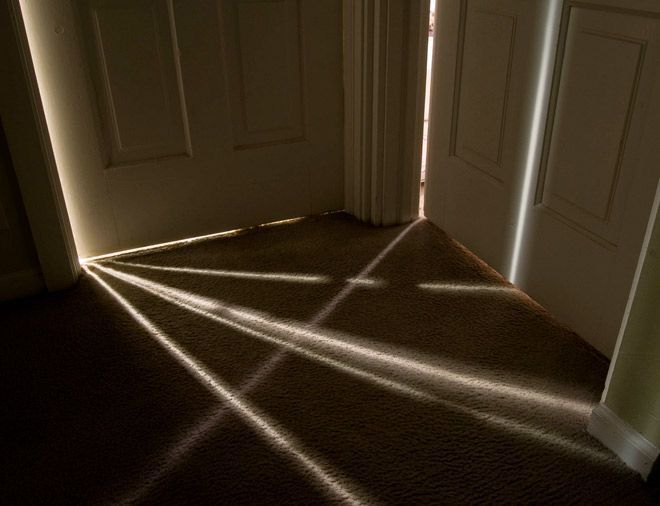
Now, when I enter my bedroom, I go straight to the bed and lie flat, eyes fixed on the attic ceiling. I don’t face any mirrors or dolls. I don’t ask the walls to recognise me. When I put together an outfit, I don’t trust the mirrors, not a single one. Some days I leave the house with only a blur, content not to know how the world will frame me. The ceiling, the mirrors, the dolls and the walls still mutter to themselves. I close the door behind me and rob them out of whatever shape they think I am.
I wash the body might also appeal to you.